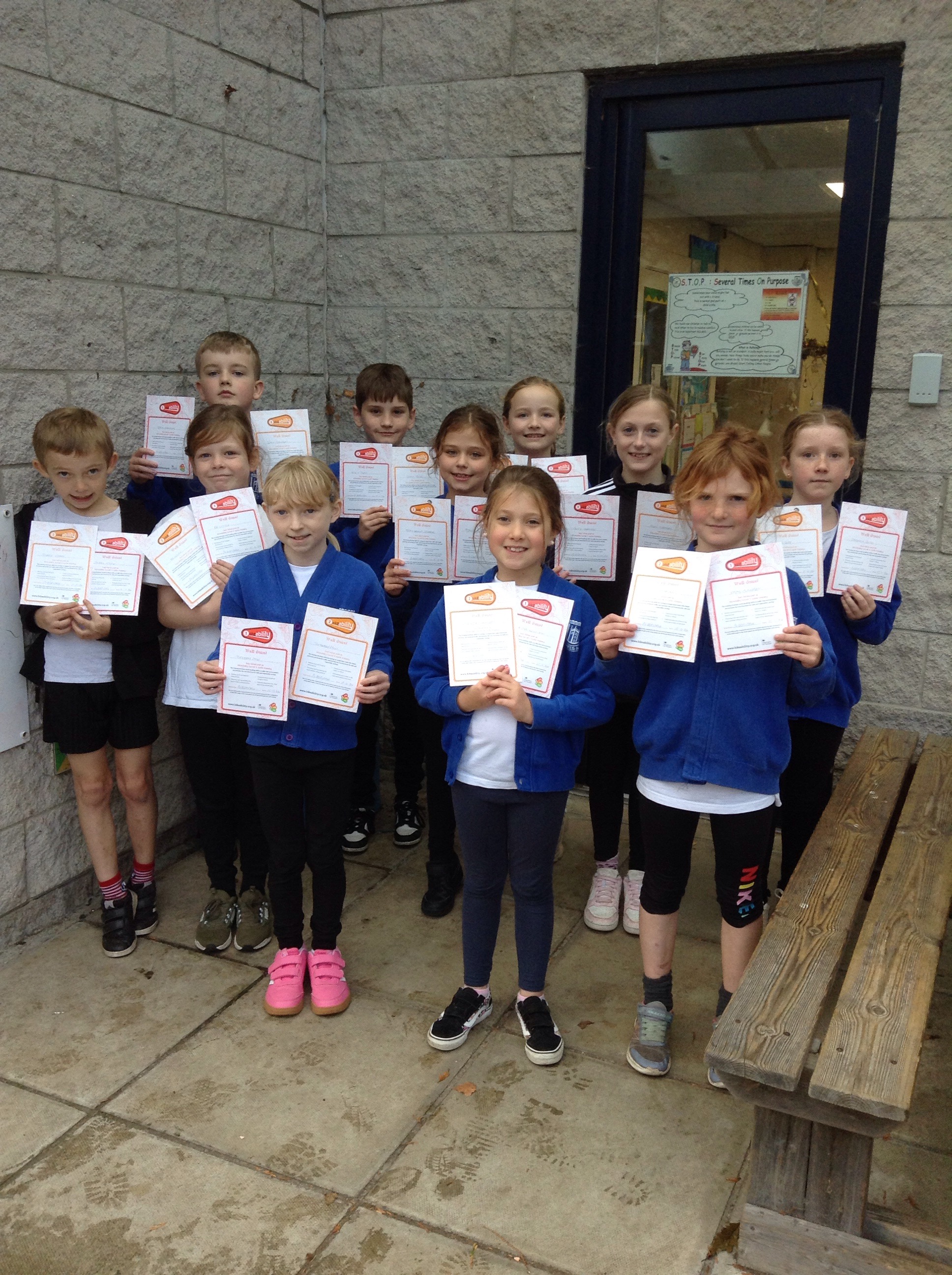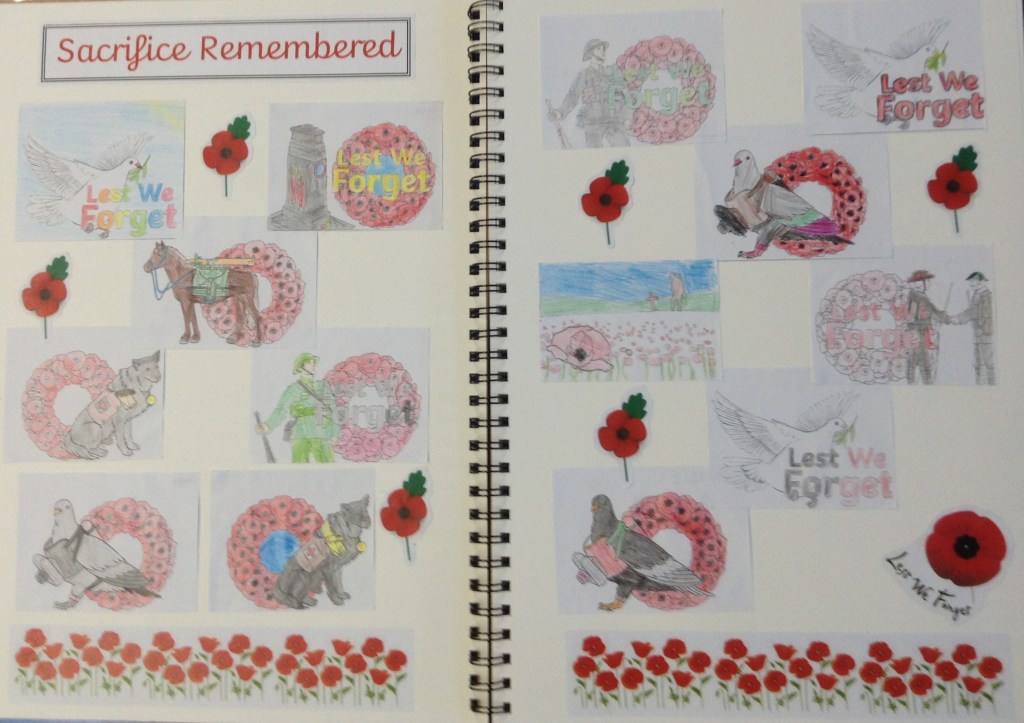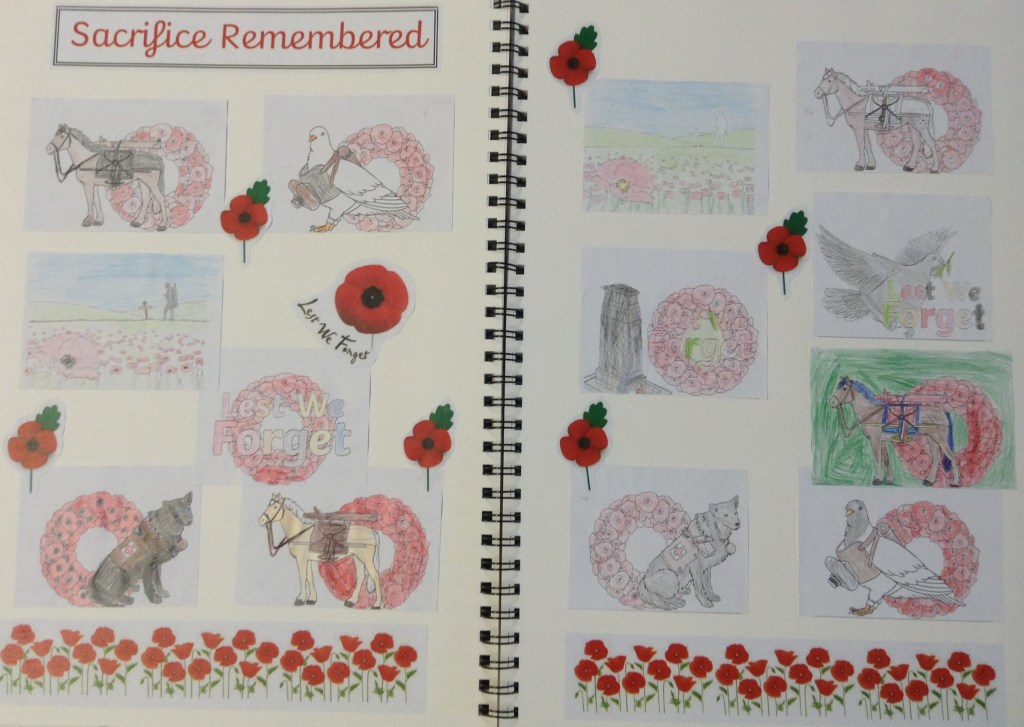
Sacrifice Remembered in Year 5

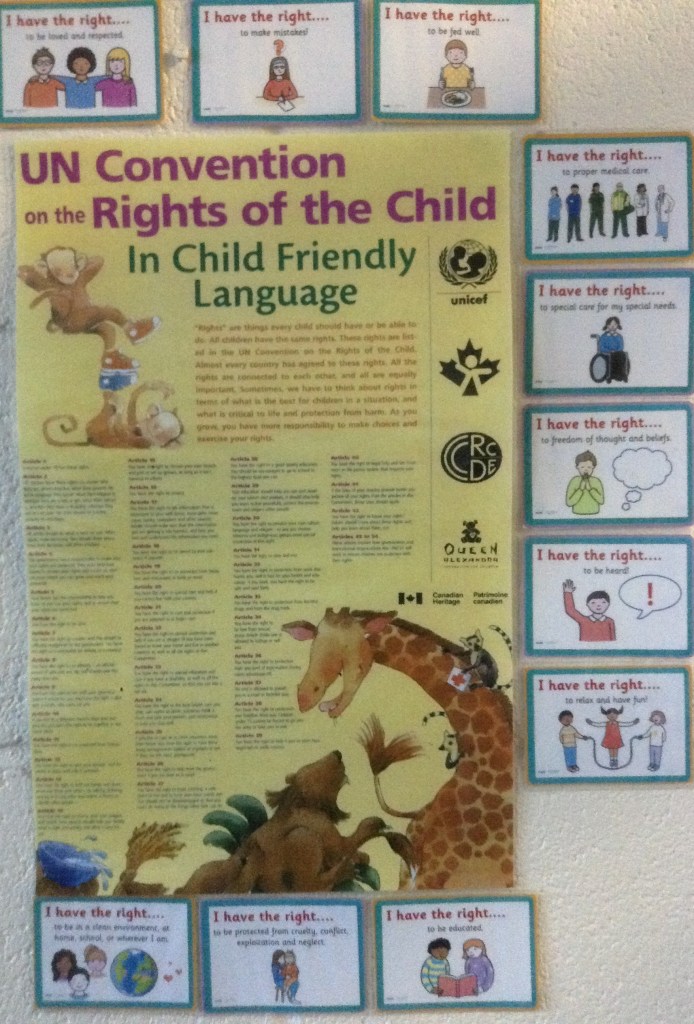
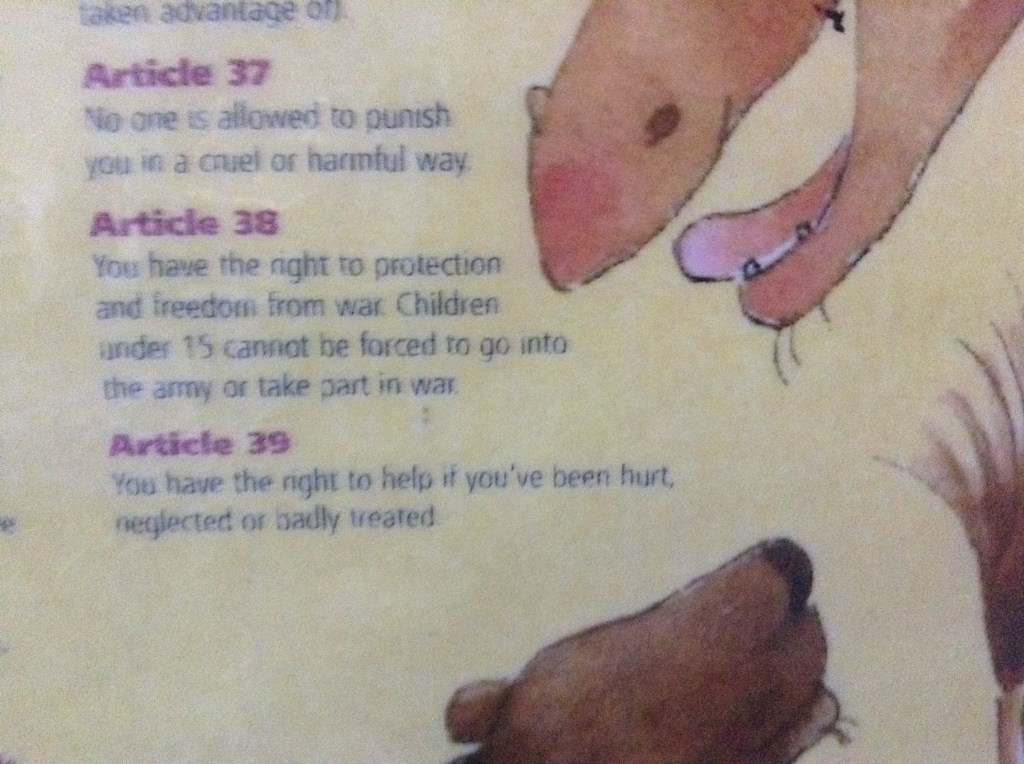
We have looking at Article 38:

‘You have the right to protection and freedom from war. Children under 15 cannot be forced to go into the army or take part in war.’

On Friday, Year 5 stood for a two-minute silence to remember those who have fought in wars to give us all the right of freedom. We thought about what the word ‘sacrifice’ meant and learnt about why we have a national Remembrance Day on 11th November each year. It was at 11 o’clock, on the 11th day of the 11th month in 1918 that World War I came to an end.

We then coloured in poppies which are used on Remembrance Day to remember the ultimate sacrifice that soldiers made fighting for their country in World War 1 and in other conflicts.

Year 5 and Article 32: The right to protection from harmful work

Harmful work? If it harms a child’s health or education, it contravenes Article 32. Think Victorian era when boys swept clean chimneys and girls stayed at home to help with the chores. Those times have long since passed in this country, of course, but this is not the case in some poorer countries.

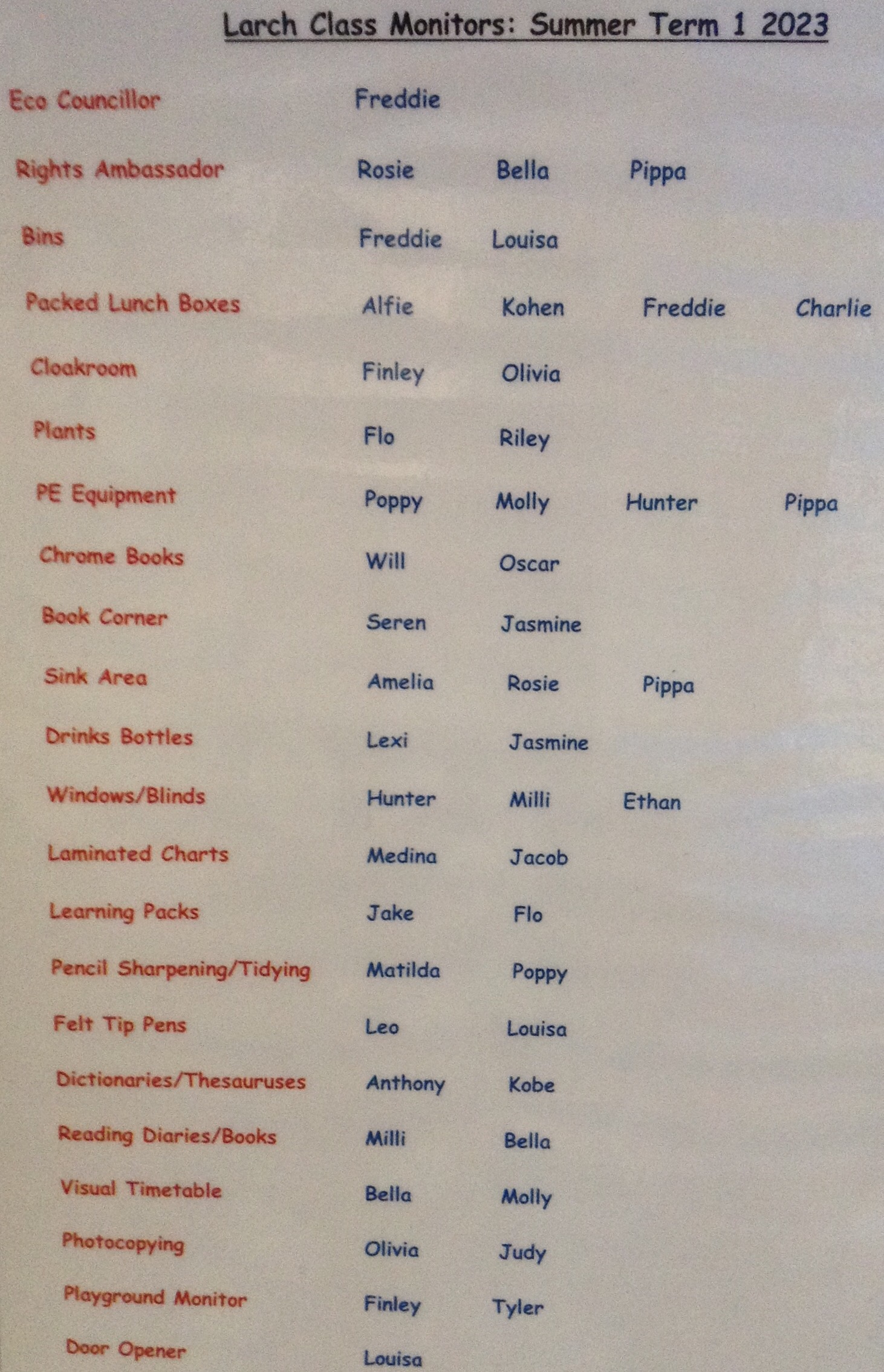
Yet this right should not be taken to mean children are not encouraged to take on roles of responsibility within school. In Year 5, children fulfil the roles of class monitors for a number of tasks, ranging from keeping the cloakroom tidy to sharpening pencils to holding open the door. Being a classroom monitor teaches the importance of serving the community (which, in school, is the class) in a way that is both pleasing and rewarding.(House points can be earned and a ‘thank you’ from a grateful peer is never far away.) It’s the positive flip-side of Article 32.

Year 5 and Article 29: The right to develop your talents and abilities

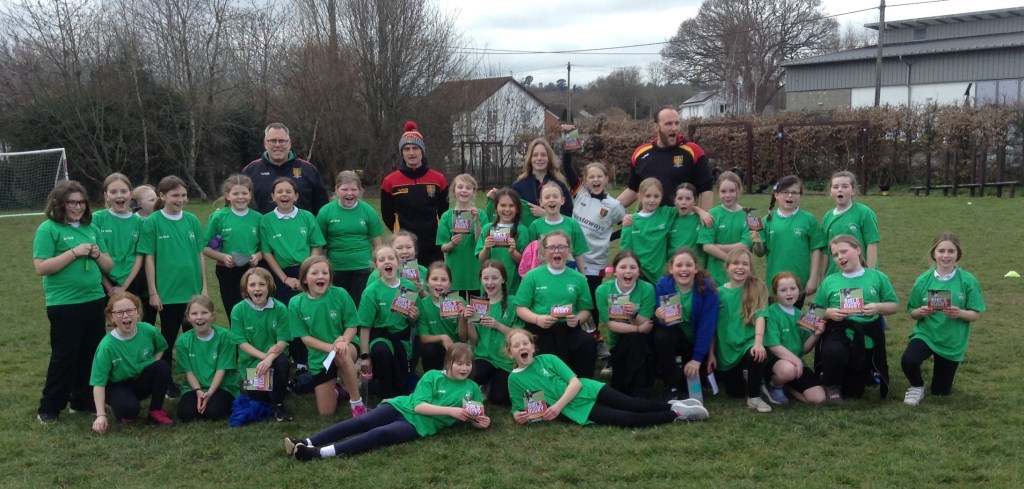
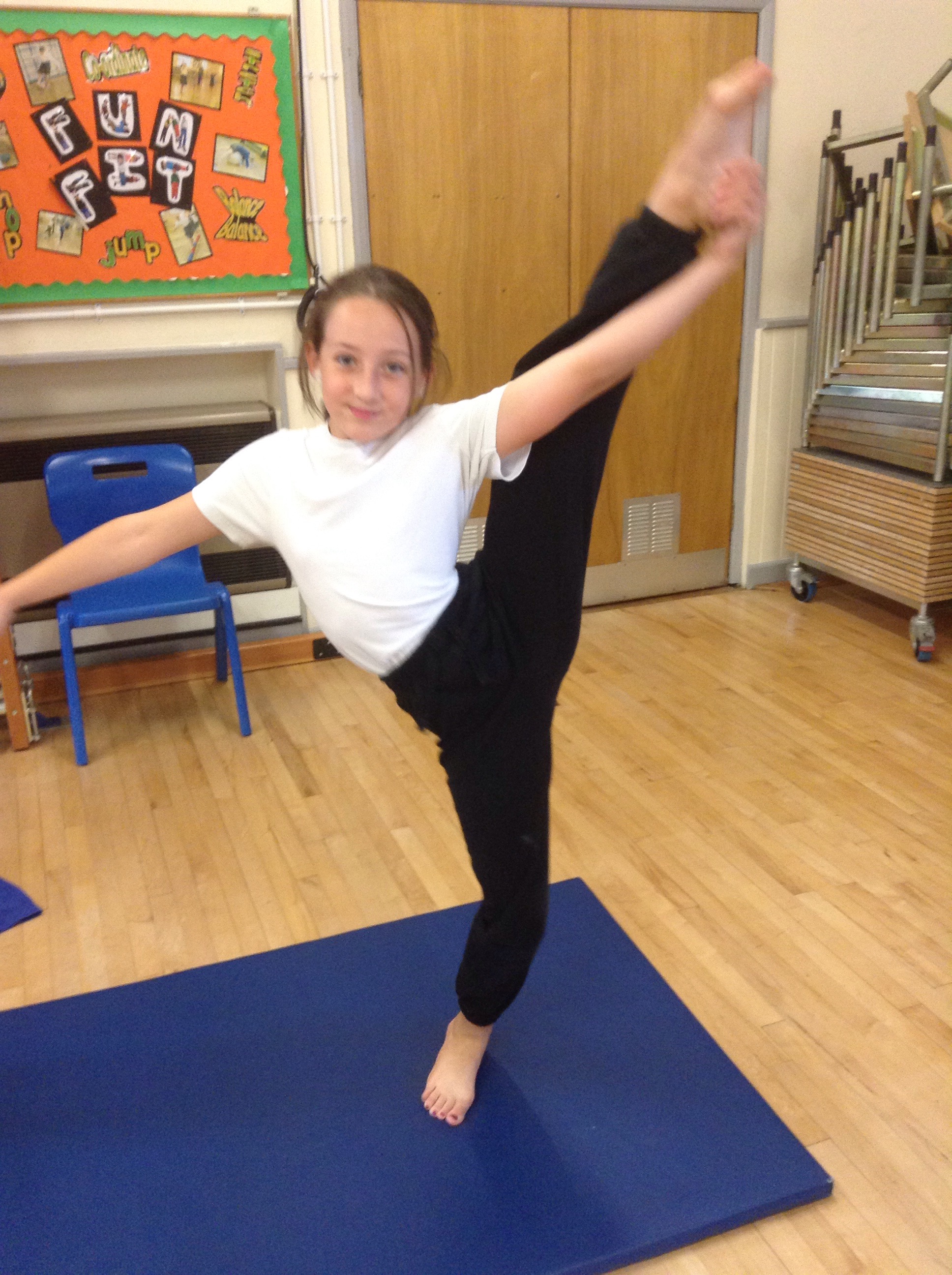
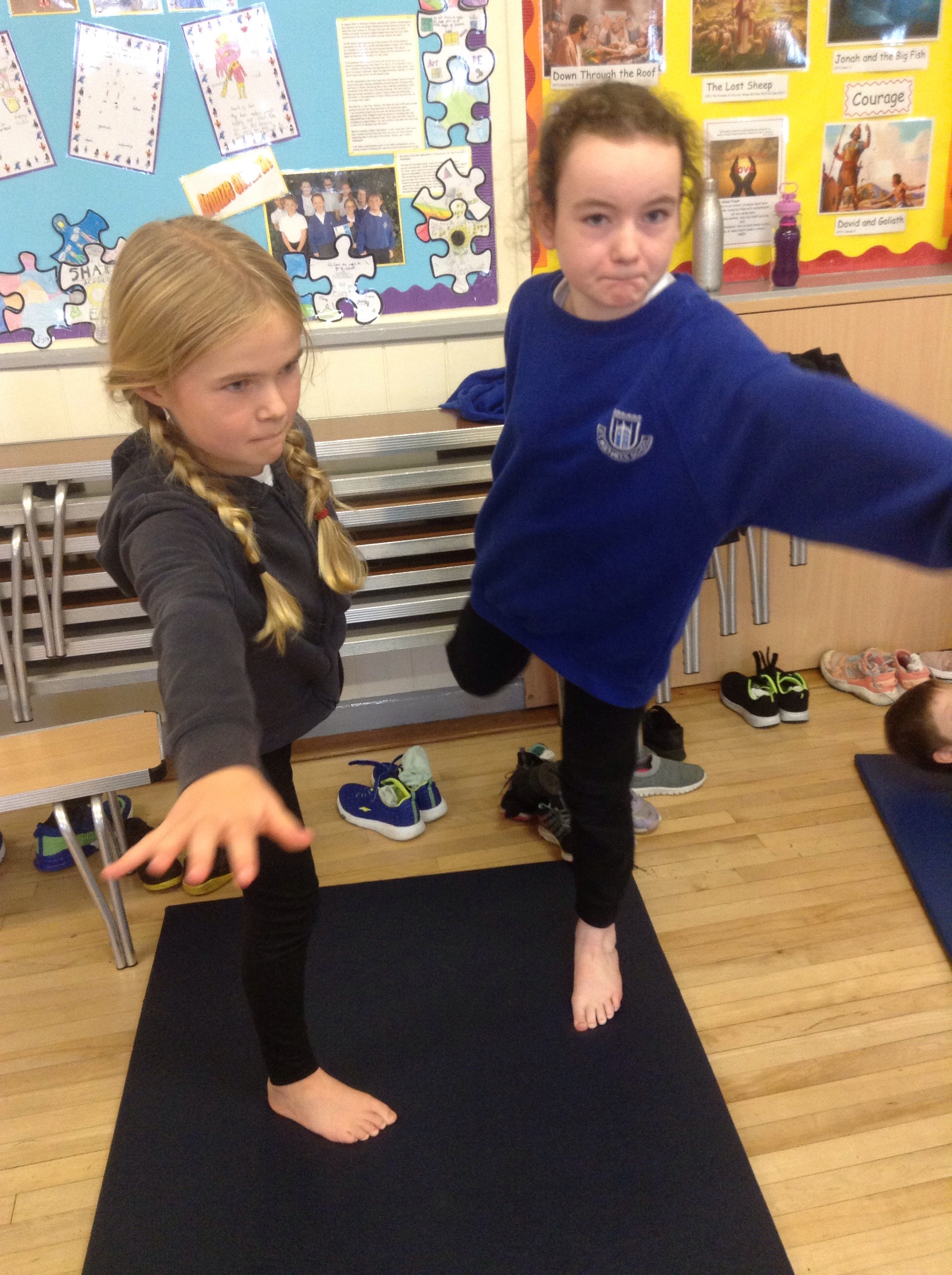
United Nations Convention on the Rights of a Child, Article 29, is an eclectic mix of ideals: the right to live peacefully; the right to be treated respectfully by others; the right for one’s environment to be protected. On a par with these is the right to develop one’s talents and abilities. In Year 5, not only do the children develop their academic abilities by fulfilling the National Curriculum, there are a number of extra-curricular activities that seek to promote the development of physical, mental and social skills. Caving on Dartmoor, climbing at Exeter’s ‘Clip & Climb’ facility, and outdoor learning at Forest School are some of the opportunities that have been afforded to the children. Latest amongst these is ‘Rugby for Girls’. Last week, the entire group received specialised coaching to develop their talents and abilities, and a thoroughly enjoyable time was had by all. Well done, girls!

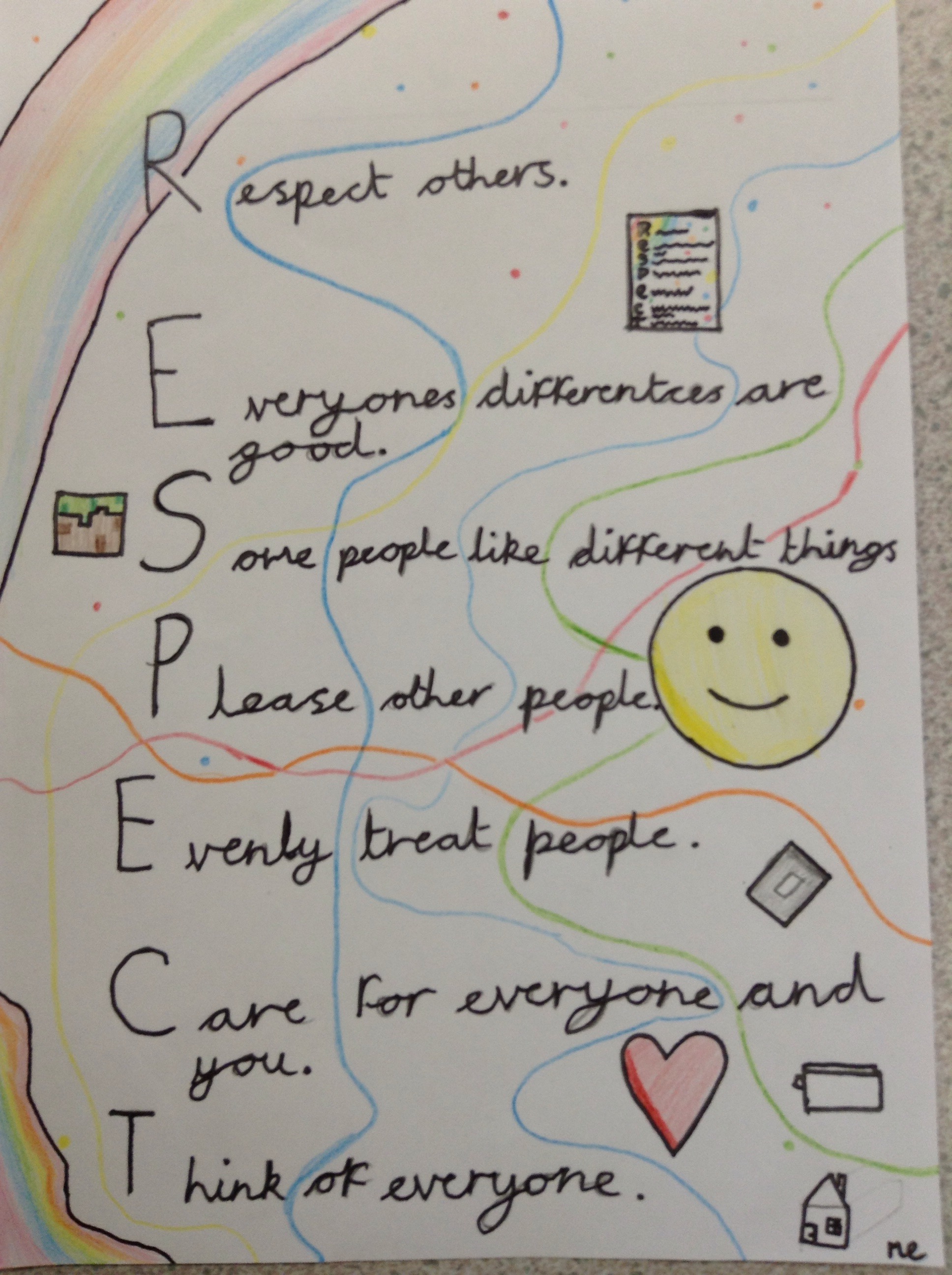
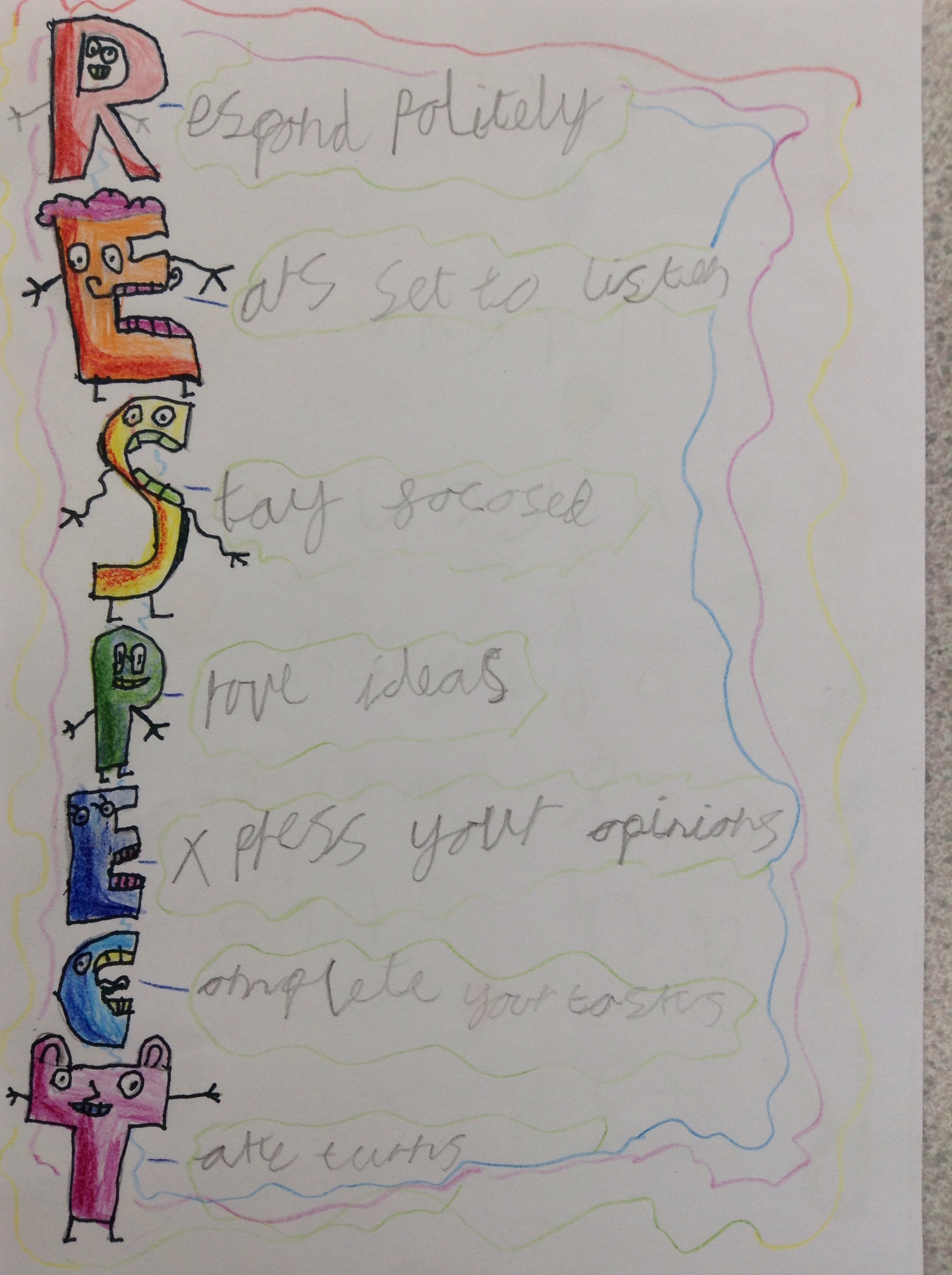
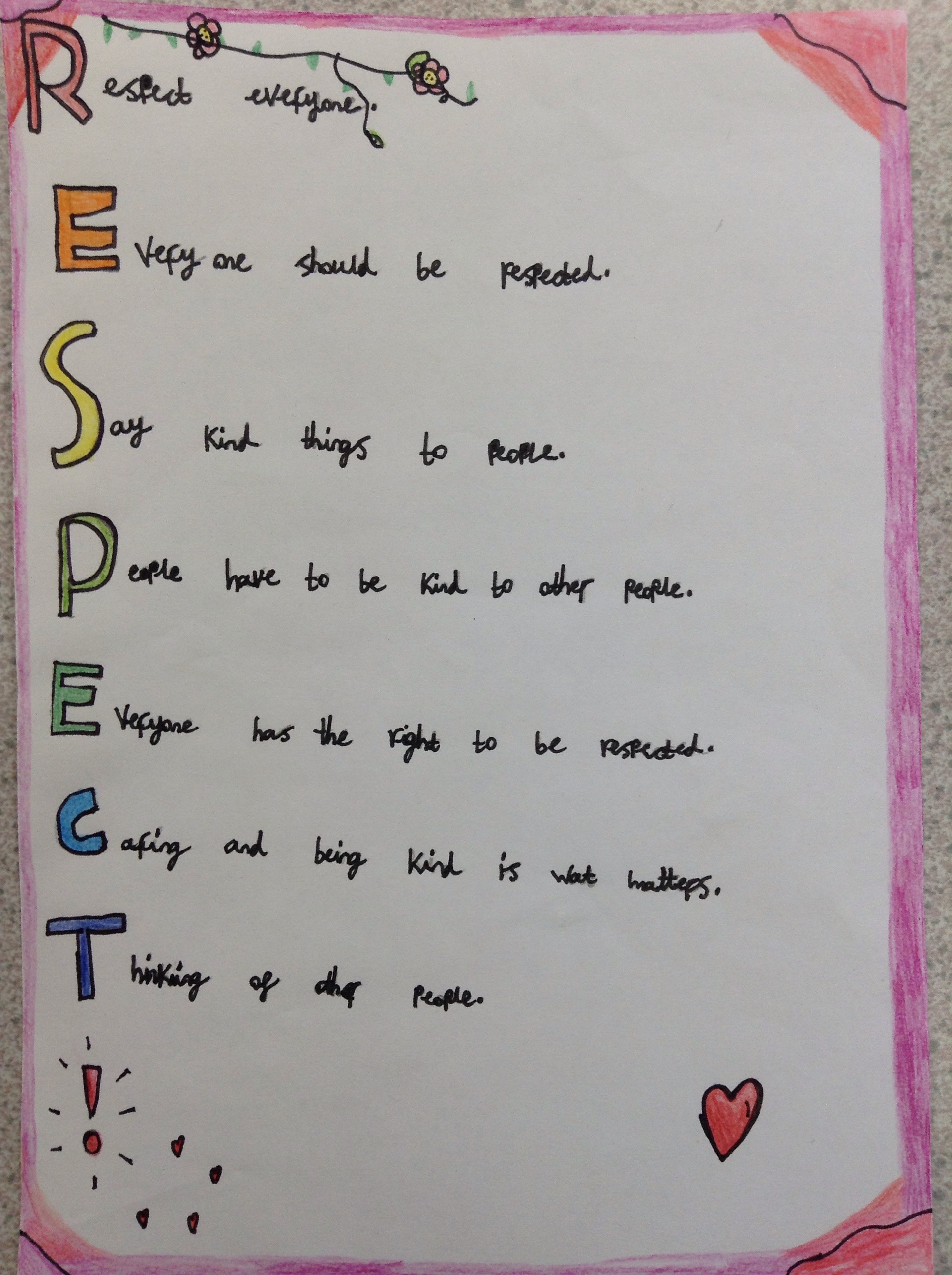
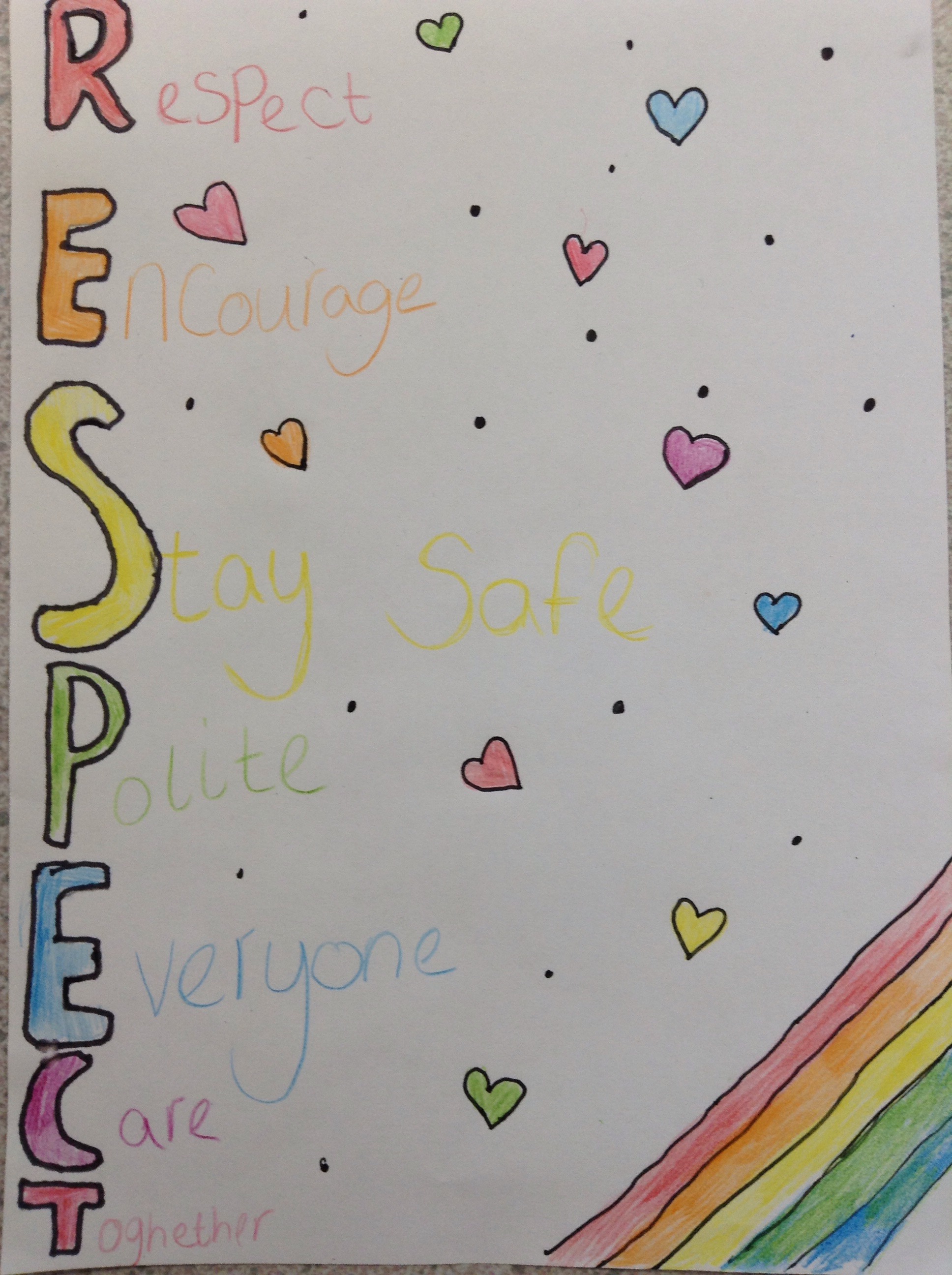
Year 5 Class Charter

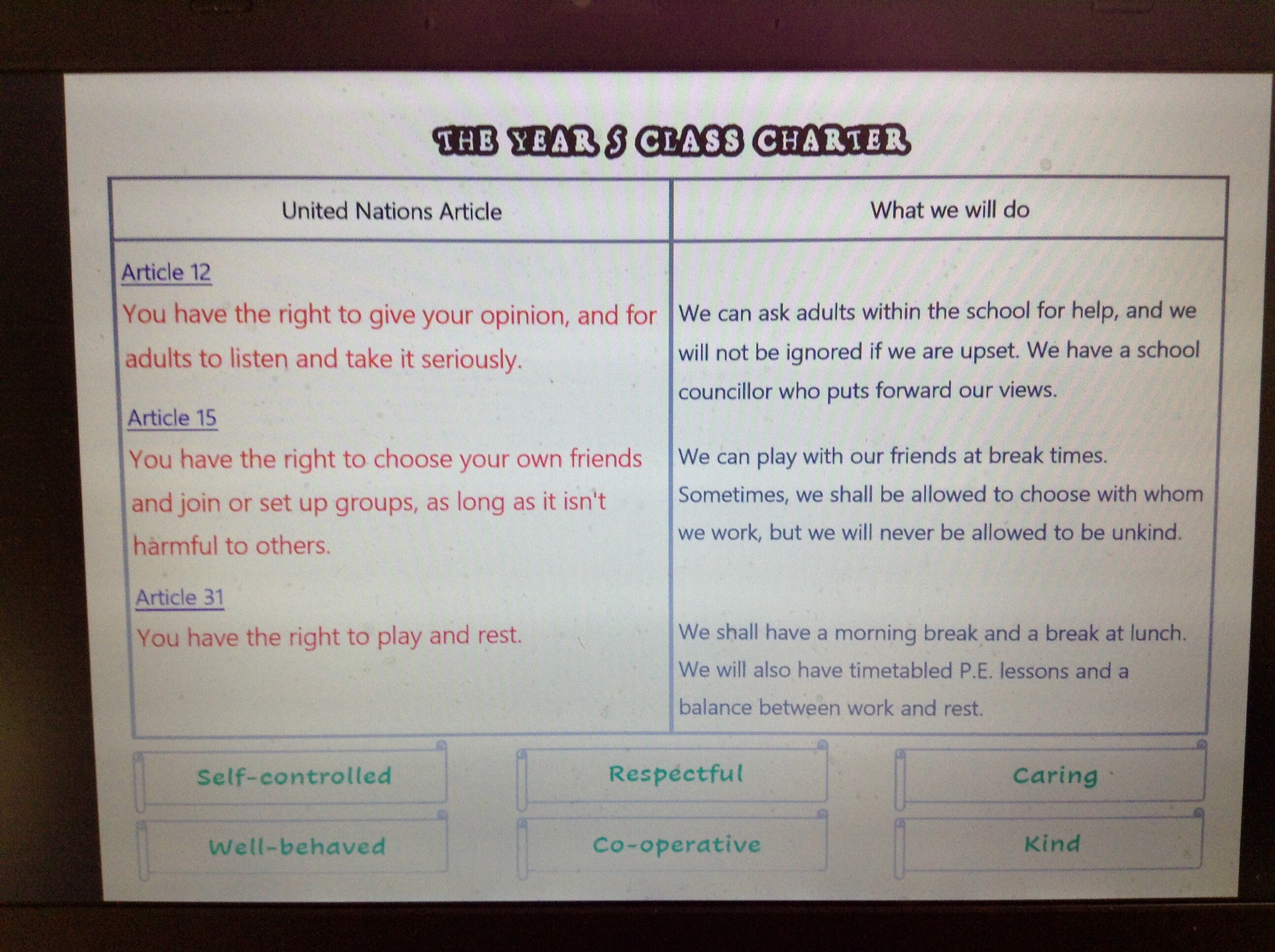
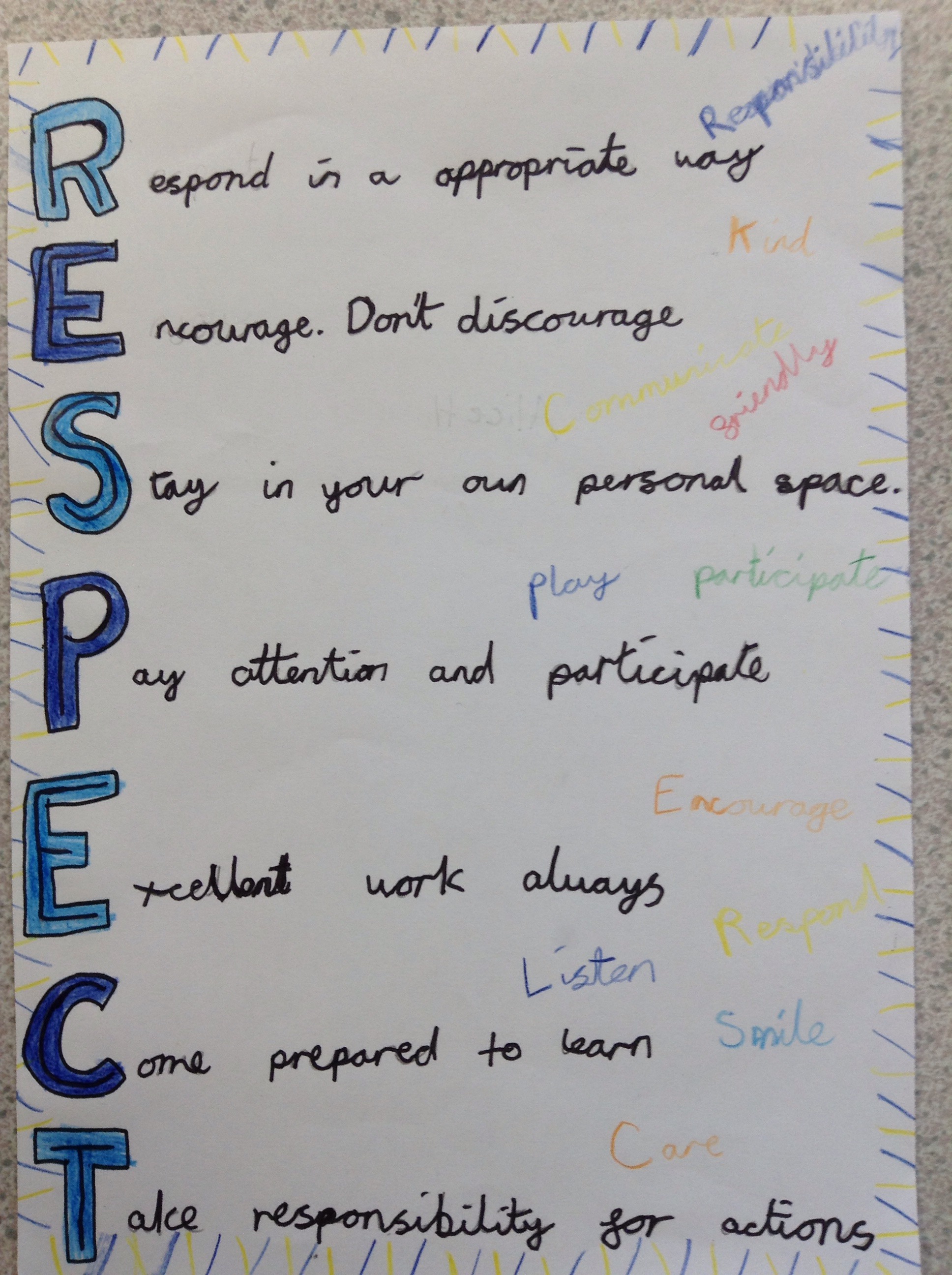
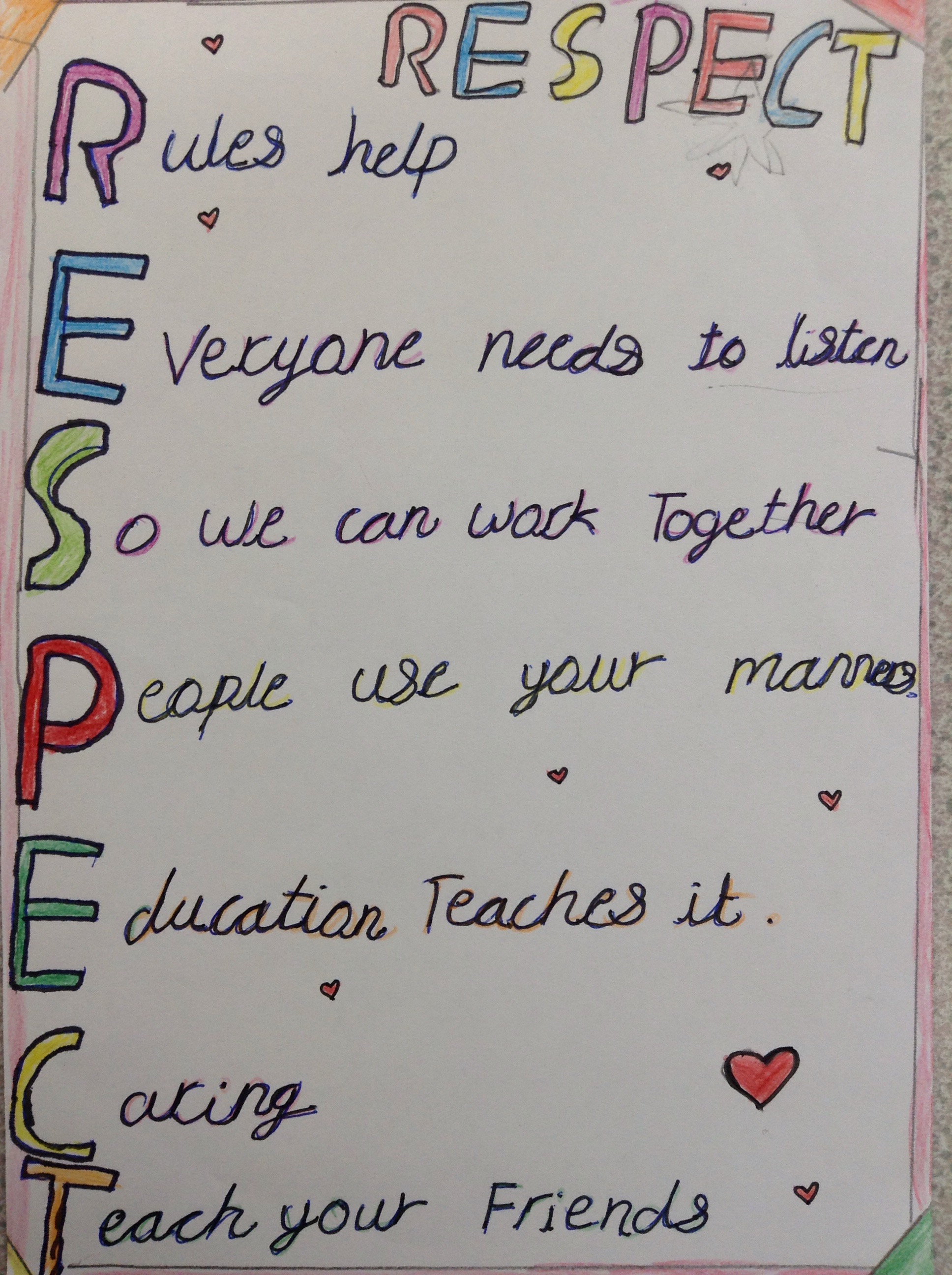
As a forerunner to the new P.S.H.E. scheme, Jigsaw, the children have been looking at the United Nations rights for children that apply to their environment at school. As a result, they now have their ‘Class Charter’, for which they have selected three rights they deem particularly relevant. These rights have then been interpreted specifically for school, so that everyone can be clear about their entitlement. The charter, moreover, also includes a set of behaviours that link to the class rules. These have been chosen to help to maintain a harmonious environment, and all children are expected to try to demonstrate these at all times.

Article 31: The right to rest and play

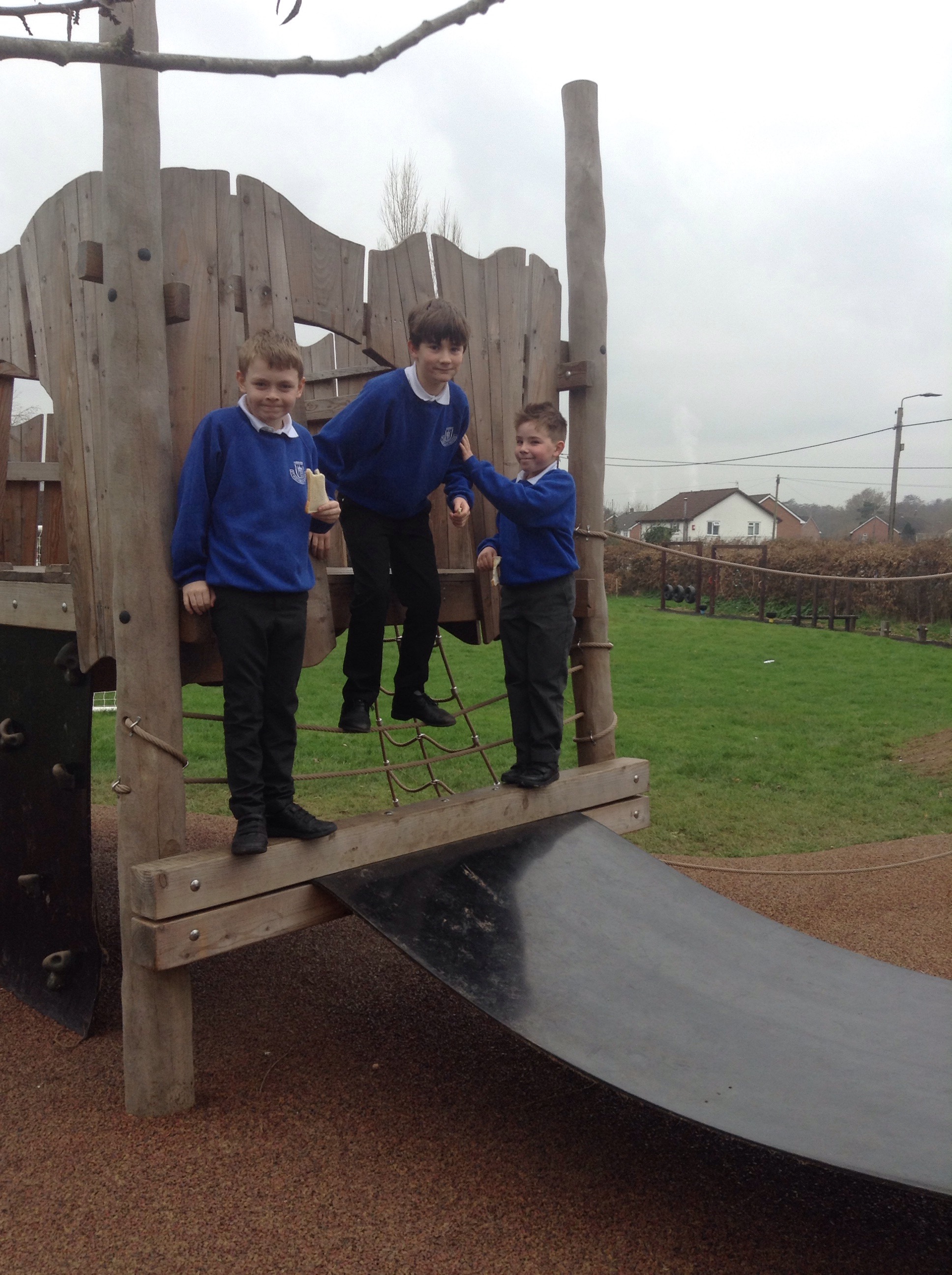
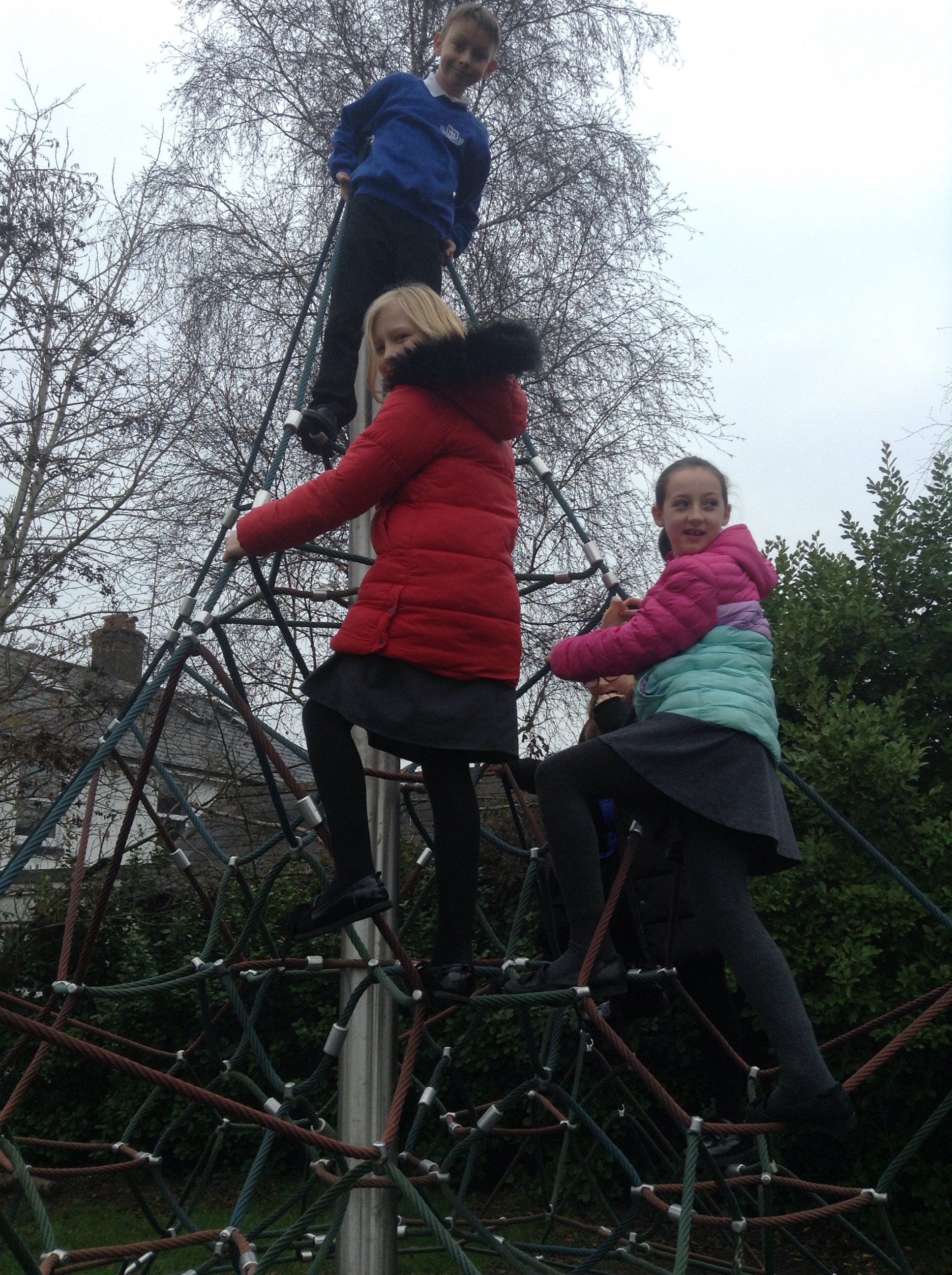
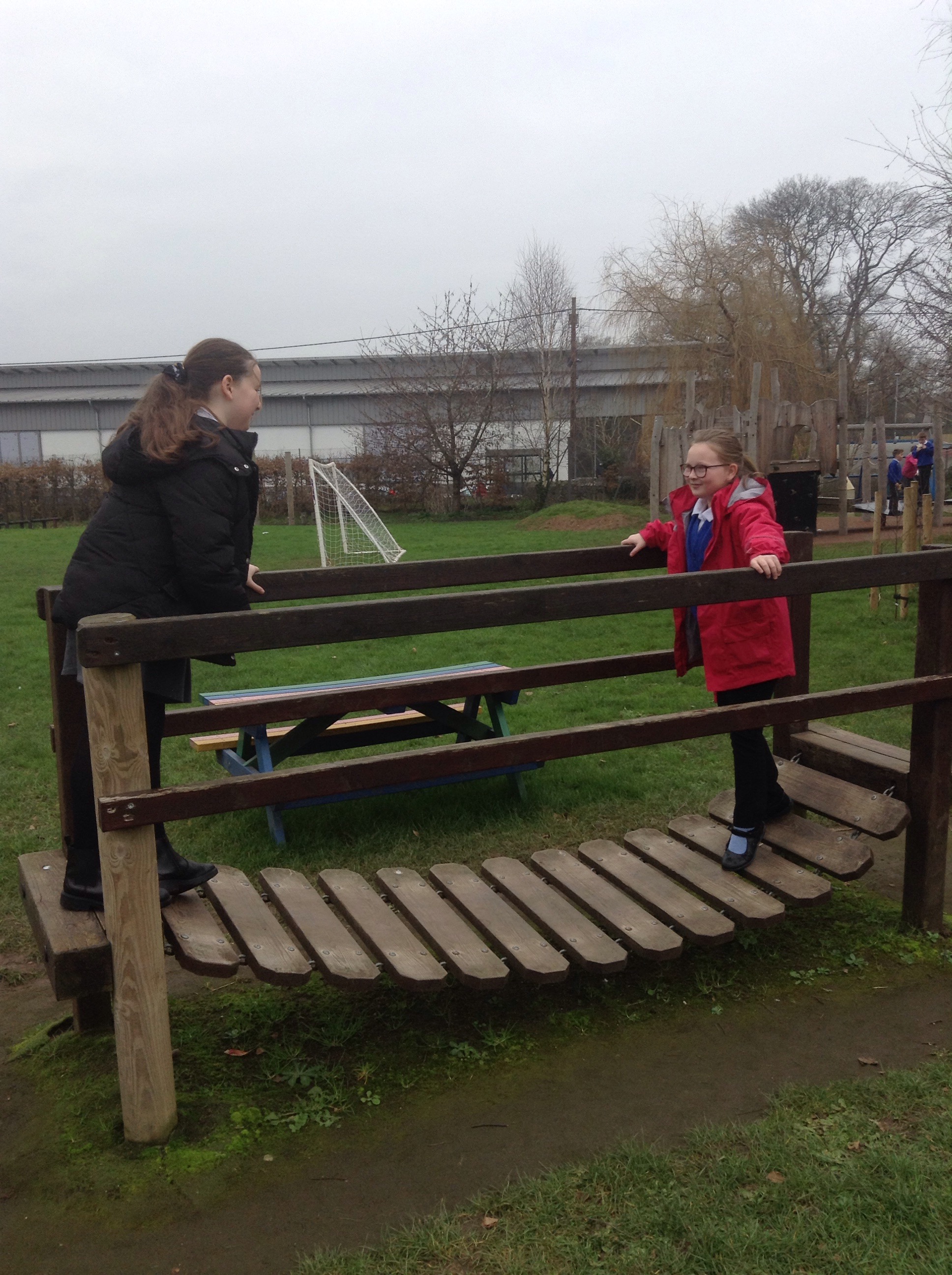
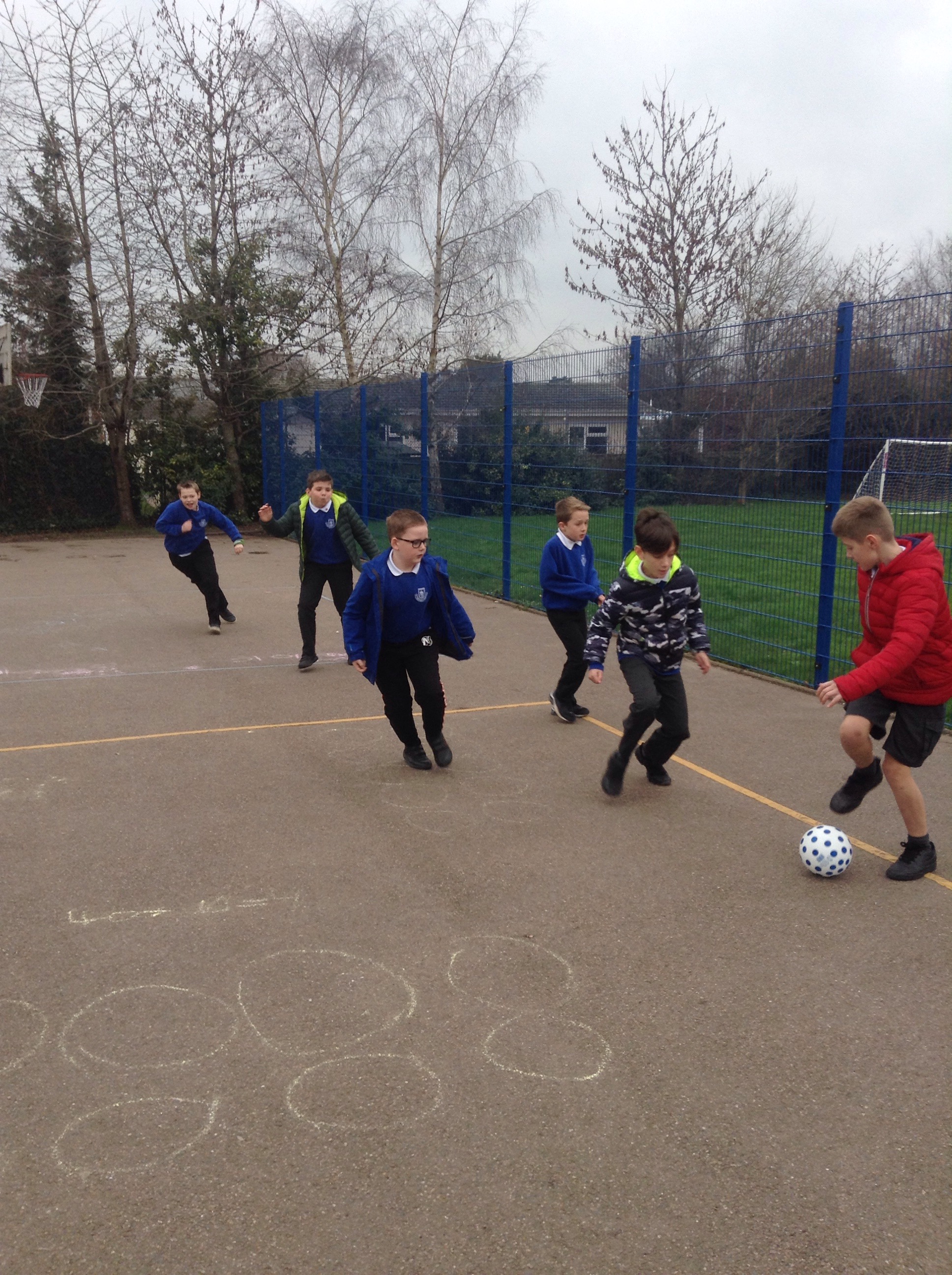
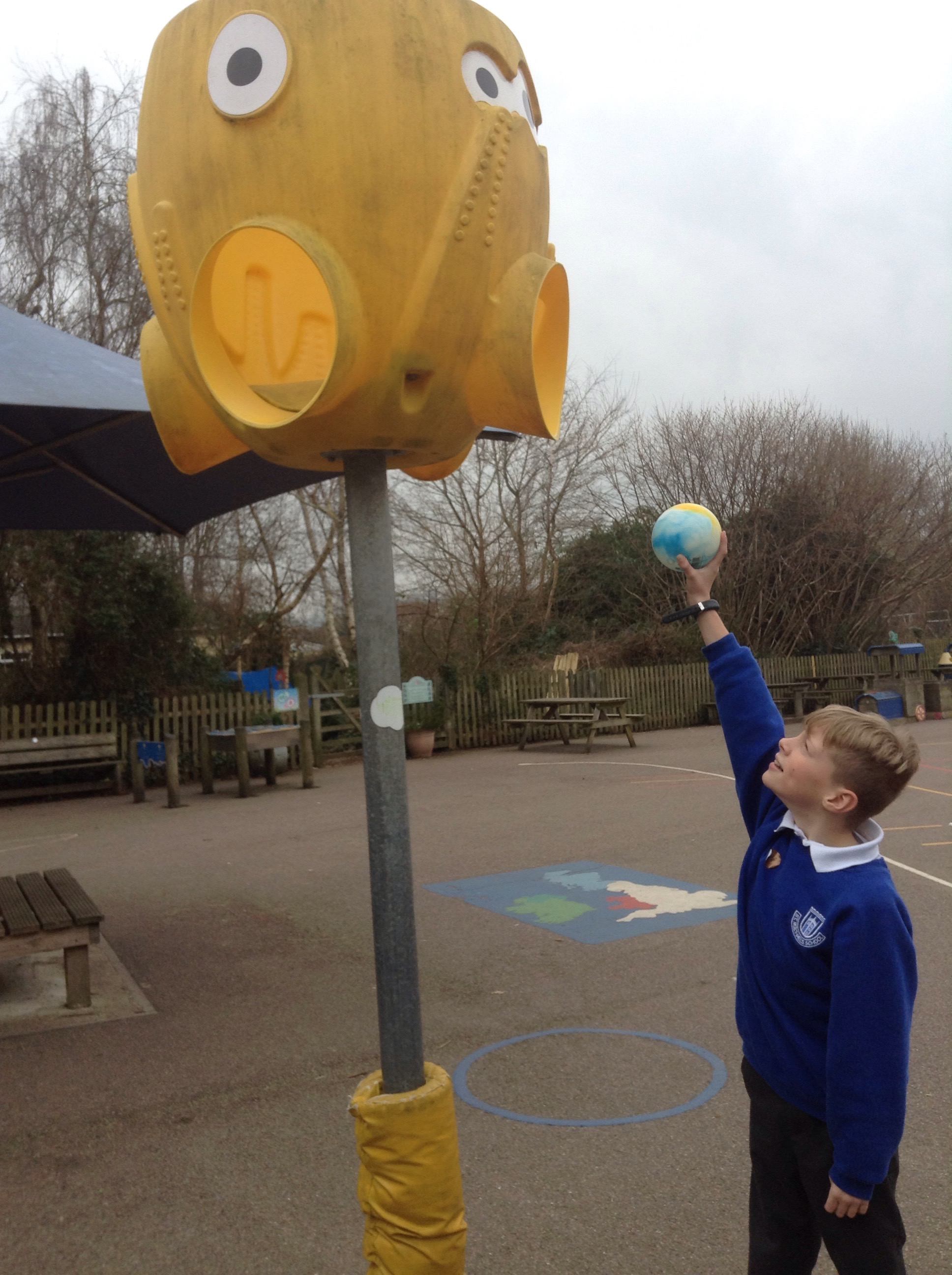
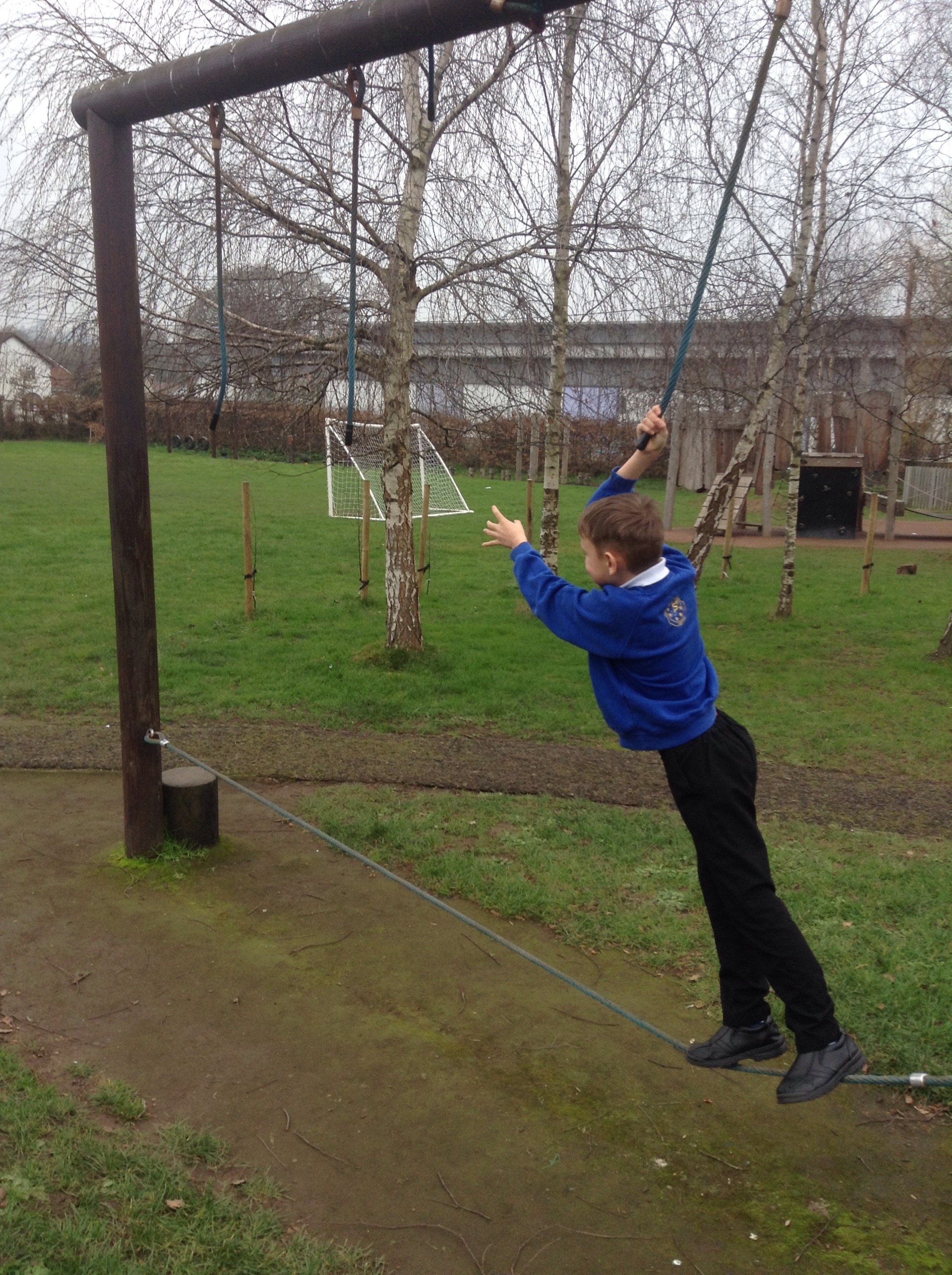
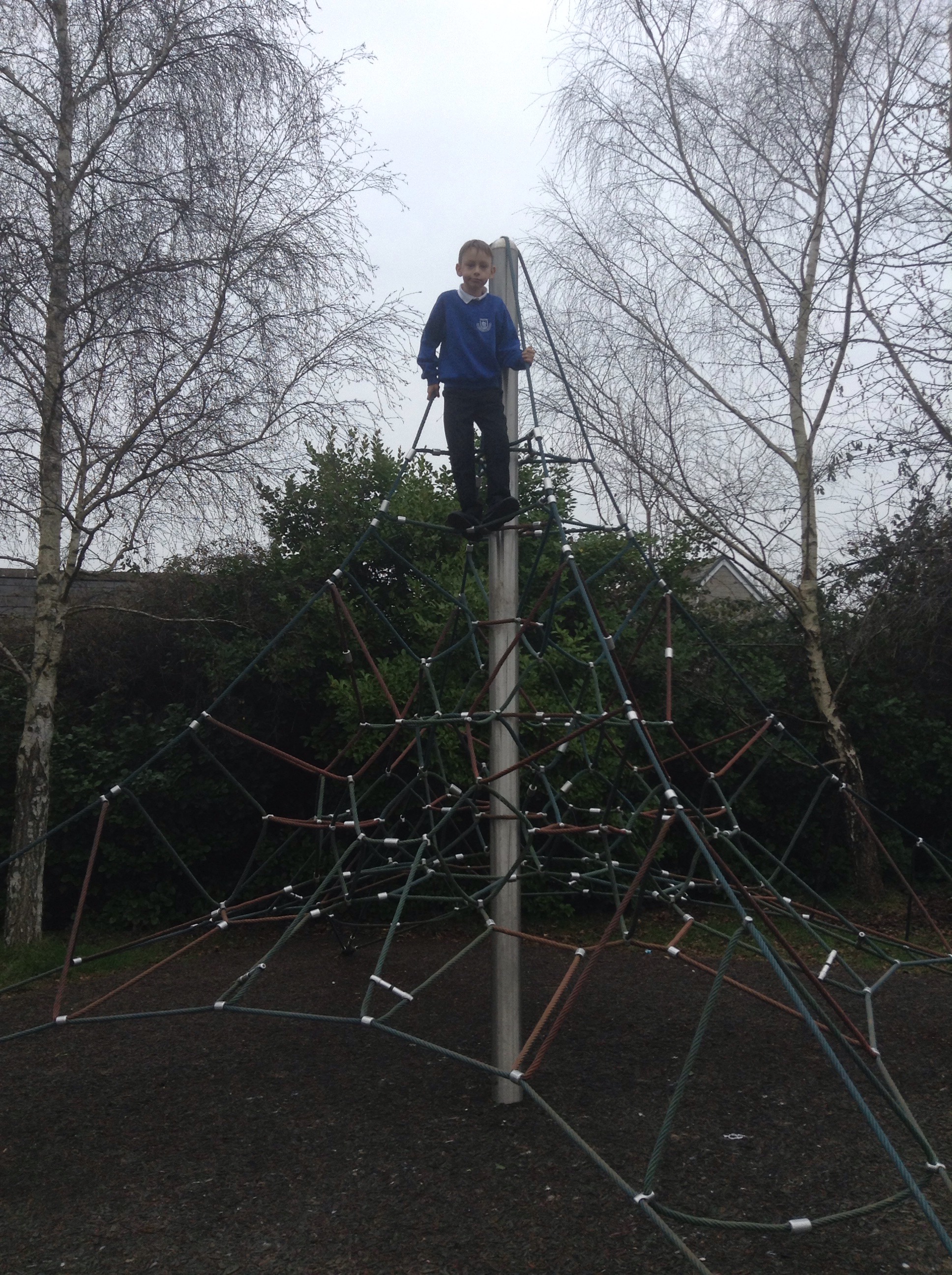
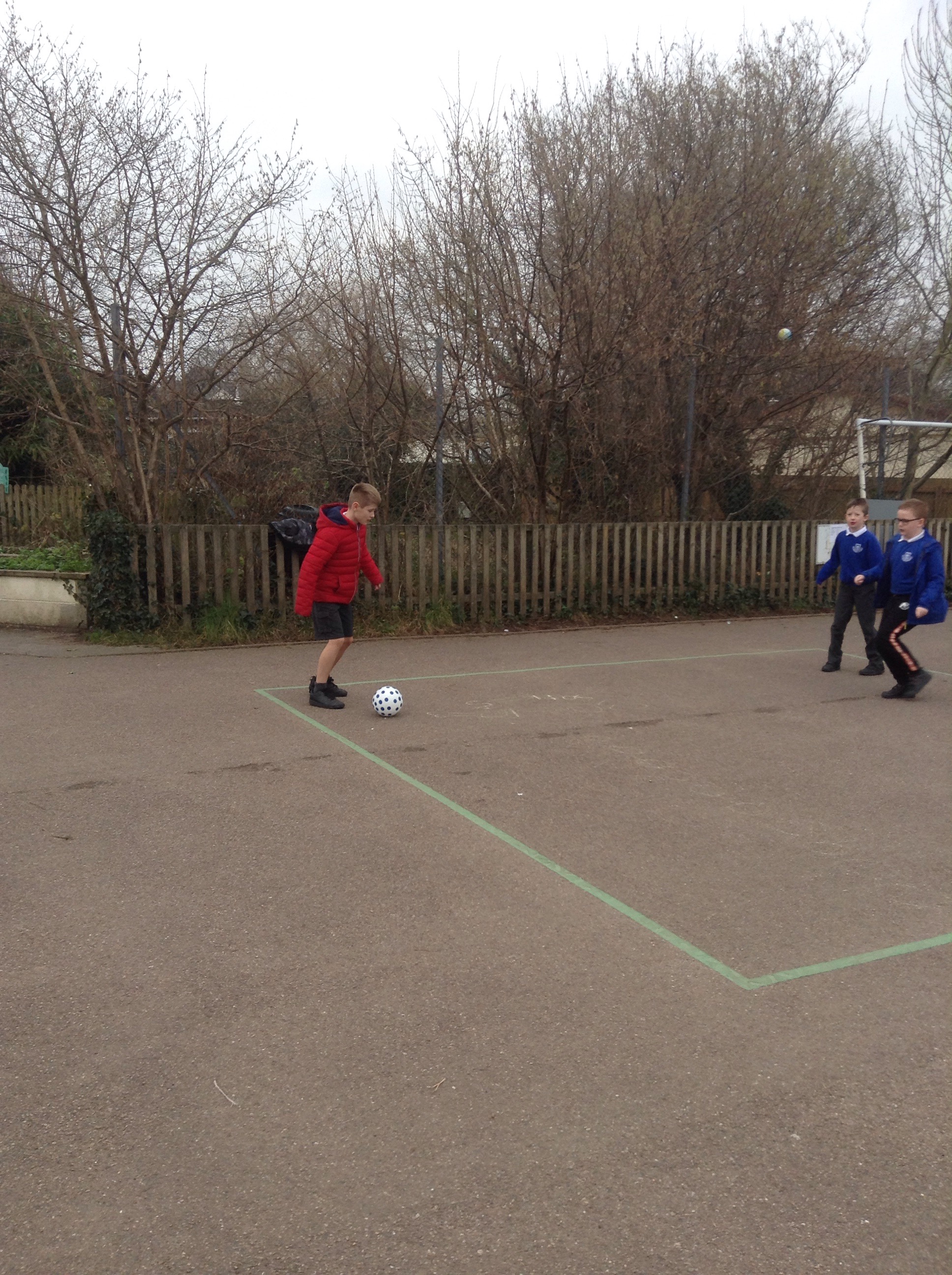
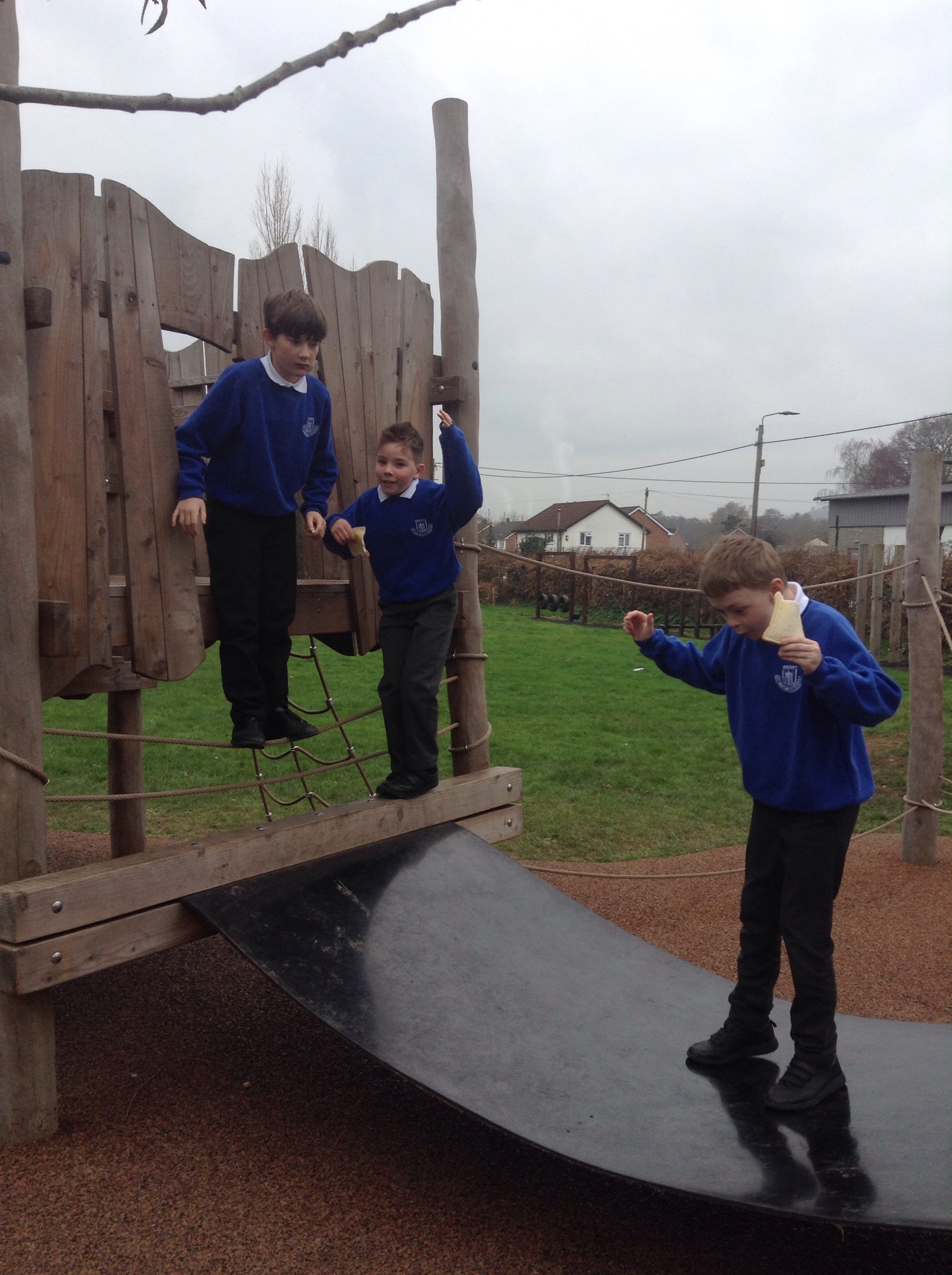
Each Wednesday,  Year 5 have the opportunity to use the play equipment on the field at break time.  The children really enjoy being able to play on the spider web and the fortress with their friends.  They also enjoy playing football on the small playground and joining in with year group matches. 


Article 12: The right to give your opinion, and for adults to listen and take it seriously


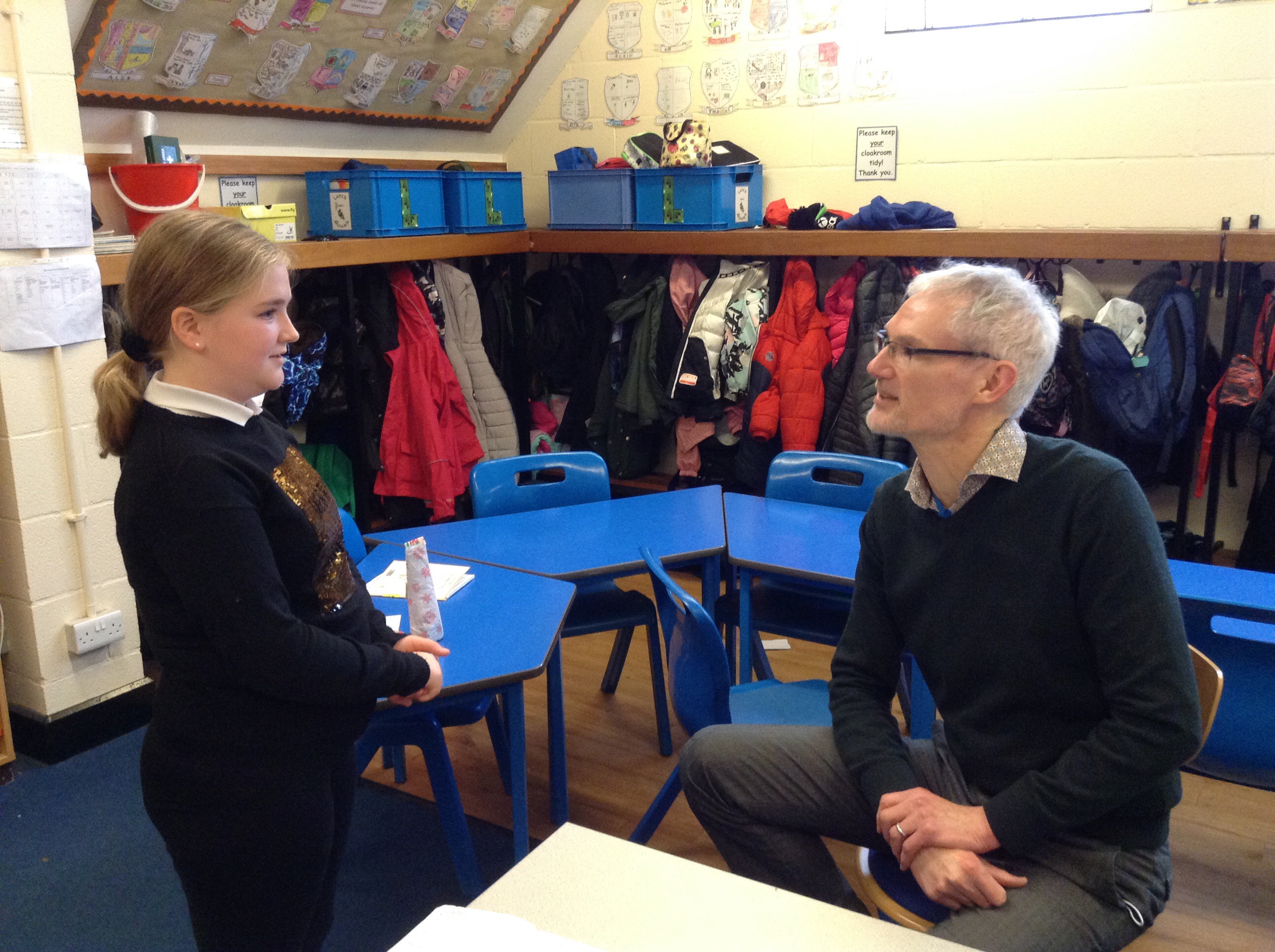
Everyone has opinions – some more than others. While some of these opinions will be about more mundane matters – favourite colour, best pop band, top football team etc, there are times when our opinions are more important and we want to express them to someone who will listen. If these important opinions are to do with school-related matters, adults within the School will afford children the right to give their opinions and these will be taken seriously.

As a child wishing to have their opinion heard, it is necessary to understand that the class rules must be adhered to when seeking the opportunity to speak. ‘Hand up’ if it is lesson time, for instance. Ask to speak to the adult politely if it is their break or their lunchtime. Approach the adult in an appropriate way, however, and any child will find a ‘sympathetic ear’: someone who will be fair, considerate and interested in bringing about a resolution.
Article 31: The Right to Rest & Play in Year 5

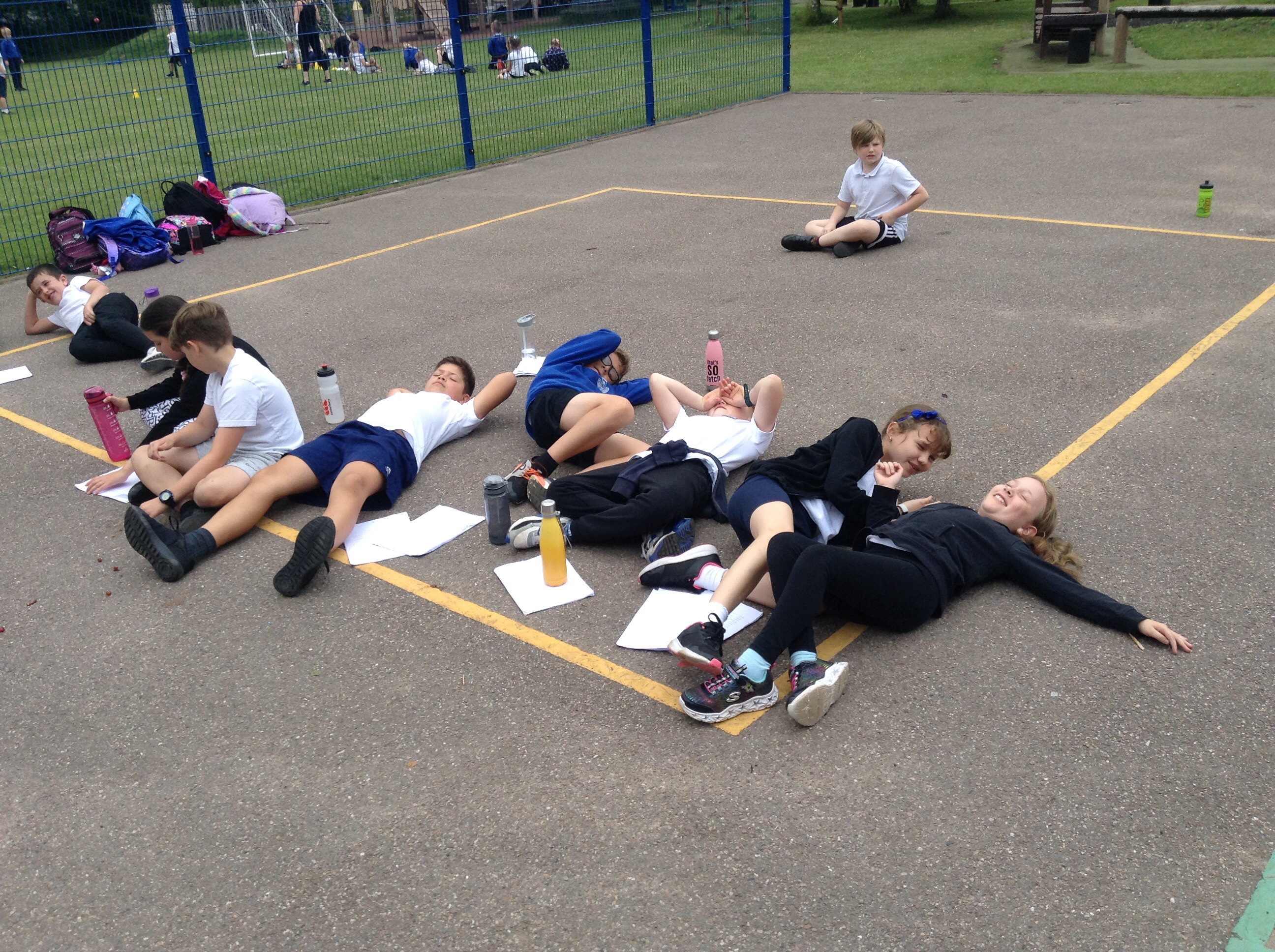
This is one of the children’s rights that they have no trouble embracing. Within the school day, all children have a lunchtime break during which most will typically both rest and play. In addition, every class has at least one scheduled playtime during the morning, with younger age groups having a further time to rest and play in the afternoon. Still further, there are always short ‘down times’ within the working day at the discretion of the teacher – brain breaks, quiet reading and mindfulness colouring being among the activities that children can engage with.